How Roulette Sound Design Shapes Strategic Decisions in Live Casino Apps
Bianca Schmitt · Oct 25, 2026

How Roulette Sound Design Shapes Strategic Decisions in Live Casino Apps
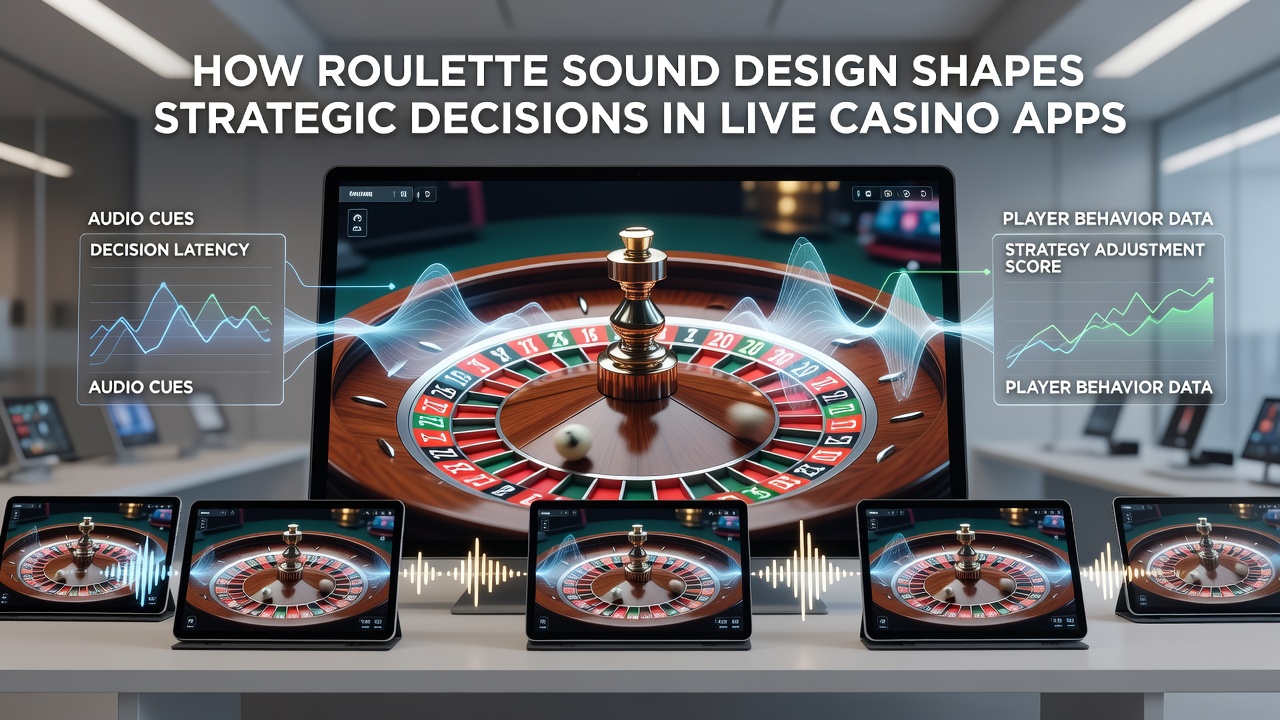
Sound design in live casino roulette apps incorporates layered audio elements that align with wheel spins, ball drops, and chip placements, and these elements connect directly to patterns in how players adjust their wagers and timing across sessions. Developers integrate specific frequencies and volumes to mirror physical casino acoustics while optimizing for mobile device speakers, which creates consistent feedback loops during gameplay. Research from audio psychology labs shows that synchronized sounds can influence response times, with players often extending bet durations when ambient crowd murmurs and realistic ball rattles play in sequence.
Audio Layers and Their Integration in App Interfaces
Live roulette apps use multiple audio tracks that activate based on game phases, including the initial wheel acceleration, the deceleration phase, and the final ball settlement, and each track adjusts in real time according to player actions such as placing inside bets or outside bets. Engineers calibrate these tracks using data from user retention metrics collected through app analytics platforms, where patterns reveal that certain pitch ranges correlate with higher engagement during peak hours. Observers note that apps released or updated around October 2026 incorporated refined haptic-audio pairings, which synchronized vibration patterns with sound cues to guide attention toward the betting timer without requiring visual focus alone.
Those who analyze interface logs find that the absence of background chatter during low-activity periods leads players to complete fewer combination bets per round, whereas fuller soundscapes encourage more varied selections across dozens of spins. This occurs because the continuous audio stream maintains a sense of ongoing momentum that aligns with the 30-second betting window typical in most live dealer feeds.
Impact on Bet Timing and Selection Patterns
Data collected from multiple app providers indicates that distinctive ball-landing tones prompt quicker confirmation clicks on the next wager, especially when the tone matches the color or number outcome just revealed. Players shift from conservative outside bets to inside bets more frequently when the sound design includes ascending chimes during winning streaks, and this shift appears in aggregated session reports that track bet type distributions. Studies on digital gambling environments demonstrate that these auditory signals reduce hesitation intervals by measurable margins, allowing the wheel to restart sooner within the same connection session.
Apps that vary volume levels for different bet sizes also see corresponding changes in player behavior, where louder confirmation sounds accompany larger chip stacks and quieter tones follow smaller placements. This differentiation helps maintain clarity during fast-paced rounds, and analysts tracking October 2026 updates observed that refined volume scaling contributed to steadier progression through multi-round sequences without abrupt drops in activity.
Regional Data and Regulatory Context
Reports from the Malta Gaming Authority highlight how licensed operators must document audio configurations as part of compliance reviews, and these records show correlations between specific sound profiles and average session lengths across European user bases. Similar documentation from the Australian Communications and Media Authority tracks comparable metrics in the Asia-Pacific region, where localized sound adjustments account for device preferences and network conditions. Malta Gaming Authority compliance summaries note that operators adjust decibel ranges to comply with accessibility standards while preserving the strategic pacing effects of the original design.
University research groups examining digital interfaces have published findings on how predictable audio rhythms support more deliberate bet adjustments, whereas unpredictable or overly dramatic effects can lead to rushed selections. One study released in late 2026 examined thousands of anonymized play logs and identified consistent links between mid-round sound interruptions and temporary pauses in betting activity, which in turn affected overall chip allocation strategies.
Technical Adjustments and Player Retention Trends
Development teams refine sound libraries by testing variants against retention curves, and the results indicate that balanced audio environments sustain longer play without increasing average wager amounts. When apps introduce adaptive sound scaling that responds to connection quality, players maintain consistent decision rhythms even during minor latency spikes. This adaptation prevents the audio from lagging behind visual events, which otherwise disrupts the timing cues that guide bet placement.
Industry reports compiled by the European Gaming and Betting Association track these technical choices across operator networks, revealing that sound design updates often coincide with measurable shifts in the frequency of repeat visits. European Gaming and Betting Association industry overviews document how operators in multiple jurisdictions apply similar calibration methods to maintain engagement across different regulatory frameworks.
Conclusion
Sound design elements in live roulette apps function as structural components that interact with betting mechanics and timing systems, and available data from operator analytics and regulatory filings demonstrate measurable associations with player decision sequences. Continued refinement of these audio features, particularly following the October 2026 platform updates, aligns with broader trends in mobile interface development where auditory feedback supports the operational flow of each round.