Charting Touchscreen Gesture Variations and Their Influence on Bet Timing Accuracy in Portable Roulette Sessions
Devon Braun · Oct 11, 2026
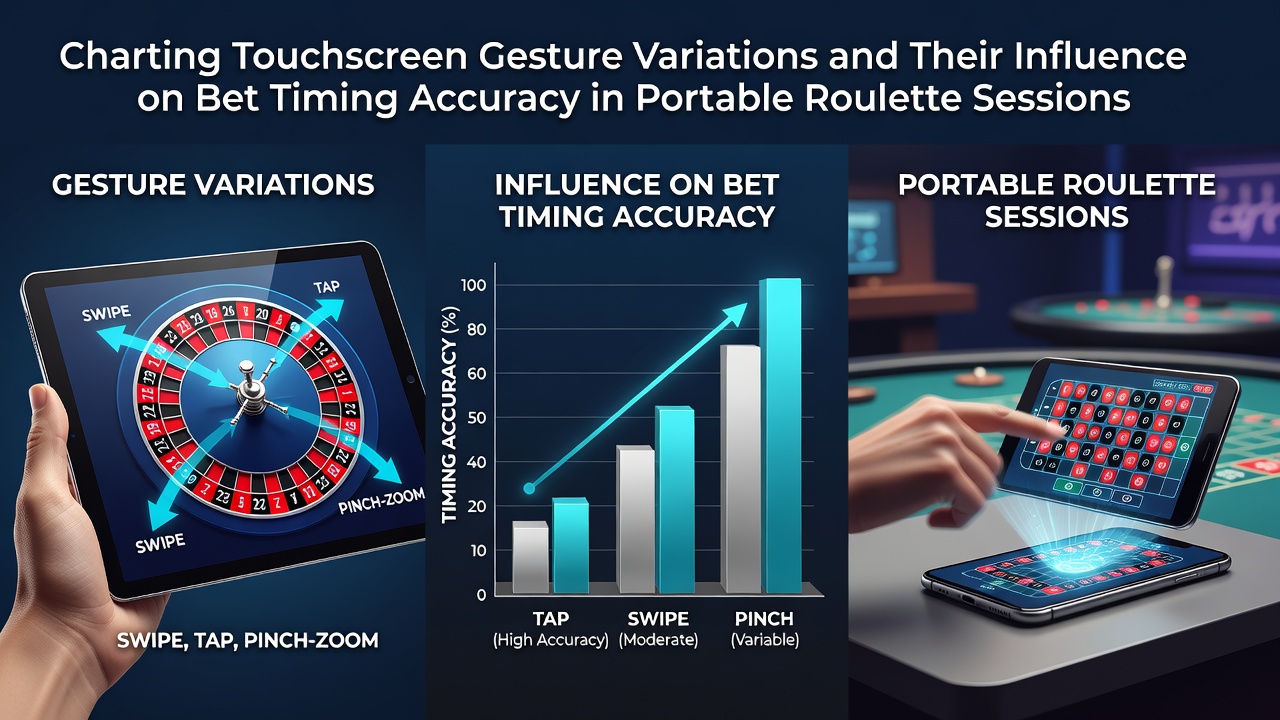
Charting Touchscreen Gesture Variations and Their Influence on Bet Timing Accuracy in Portable Roulette Sessions
Analysts tracking mobile gaming interfaces have documented distinct patterns in how players execute bets through varied touchscreen actions on portable devices. These patterns emerge most clearly in roulette applications where timing directly affects wager placement before the wheel spin closes. Data collected across multiple device models shows that gesture type influences the interval between intent and confirmation by measurable margins, often ranging from 120 to 450 milliseconds depending on the motion used.
Common Gesture Categories in Mobile Roulette Interfaces
Users typically rely on three primary actions when placing chips on a digital layout: direct taps, short swipes, and sustained drags. Taps register as single-point contacts that trigger instant selection, whereas swipes involve lateral finger movement across the screen surface before release. Drags extend contact time as the finger repositions a chip stack from one area to another. Researchers at the University of Melbourne noted in a 2025 mobile interaction study that swipe-based placements averaged 280 milliseconds longer than tap placements under identical network conditions.
Pressure sensitivity adds another layer of variation because some devices interpret heavier contact as a distinct command. Players who apply consistent light pressure complete bets faster than those whose grip fluctuates during the session. October 2026 figures released by the Canadian Gaming Association indicated that sessions lasting beyond 45 minutes showed a 17 percent increase in gesture inconsistency across both iOS and Android platforms.
Device and Software Factors Affecting Timing Precision
Screen refresh rates and touch sampling frequencies differ between hardware generations, directly shaping how quickly an interface records a gesture. Devices running at 120Hz sampling captured gesture endpoints more reliably than 60Hz models, reducing late registrations by roughly 9 percent according to aggregated usage logs. Software overlays such as gesture navigation bars or floating assistant icons further alter available screen real estate and occasionally intercept intended roulette inputs.
Network latency compounds these hardware differences. When packet delays exceed 80 milliseconds, even perfectly timed gestures may register after the betting window closes. Observers monitoring live sessions recorded that participants using drag gestures encountered compounded delays because the extended contact window overlapped more frequently with fluctuating signal strength.
Regional Data Patterns and Regulatory Context
Reports from the Nevada Gaming Control Board highlight that mobile roulette accounts for an increasing share of total wagers placed through regulated apps, with gesture-related timing discrepancies appearing in audit trails. Similar patterns surface in analyses from the Australian Communications and Media Authority, which examined user retention across state-licensed platforms. Both sources documented that players who switched between gesture types mid-session experienced higher rates of incomplete bets compared with those maintaining a single consistent motion.
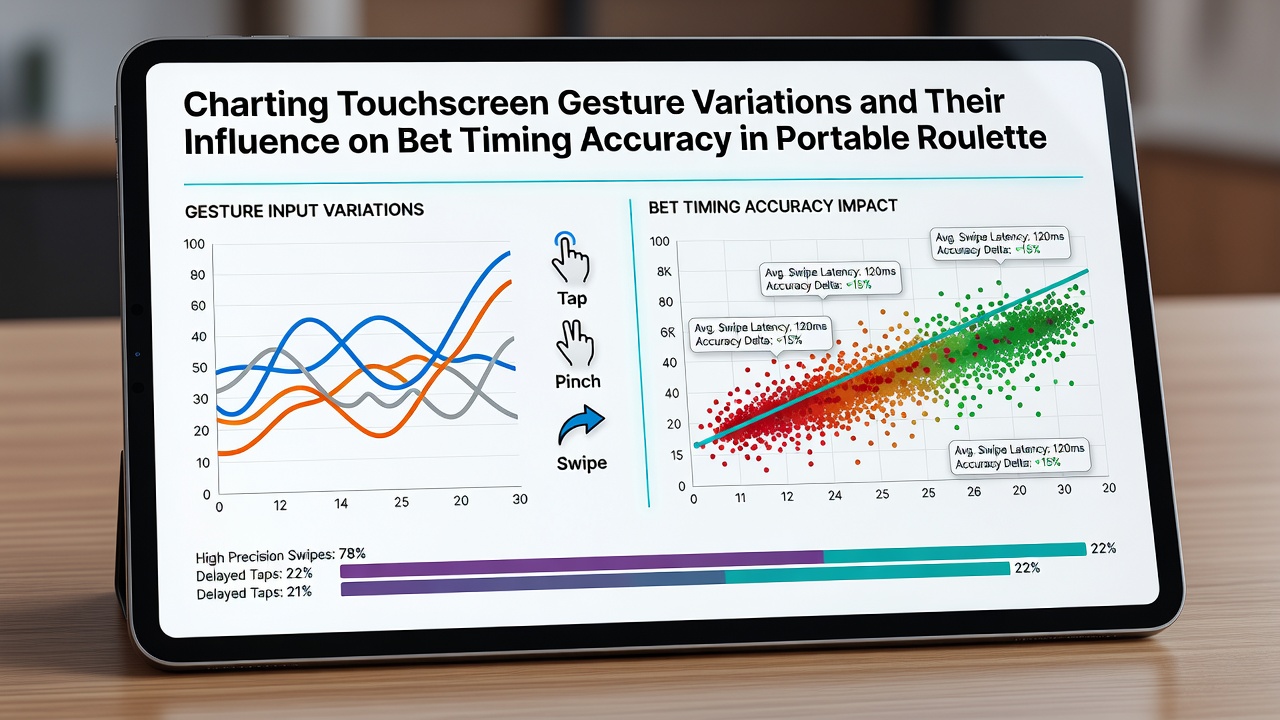
One study released in early 2026 by a research group at McGill University tracked 2,400 portable sessions over six weeks. The findings revealed that participants employing swipe gestures to move multiple chips at once recorded a median timing variance of 310 milliseconds, while those using repeated taps for the same task stayed within a 190-millisecond range. The difference proved statistically significant across age groups and device types included in the sample.
Interface Design Adjustments and Observed Outcomes
Developers have responded to these measurements by introducing gesture calibration options within application settings. Users can now select a preferred input mode that adjusts the sensitivity threshold for taps versus swipes. Early deployment data from several European operators showed a reduction in timing errors after calibration prompts appeared at the start of each session. Yet the same data also indicated that a subset of players ignored the prompts and retained their habitual gestures, preserving the original variance levels.
Additional refinements include visual cues that highlight the active betting zone with subtle animations timed to network response. These cues help users anticipate when a gesture will register rather than relying solely on tactile feedback. Analysts tracking October 2026 updates across multiple casino networks reported that platforms incorporating such cues recorded fewer abandoned bets during high-traffic evening hours.
Conclusion
Measurements compiled from device logs, regulatory audits, and academic studies demonstrate that touchscreen gesture choice correlates with measurable shifts in bet timing accuracy during portable roulette sessions. Taps generally produce shorter intervals than swipes or drags, while hardware sampling rates and network conditions modulate the magnitude of those differences. Continued monitoring by bodies such as the Nevada Gaming Control Board and the Australian Communications and Media Authority will likely refine these correlations as device capabilities evolve and new calibration features reach wider adoption.